Understand the Core Differences Between Carpet and Vinyl Flooring

When comparing flooring options, key differences include how they are made, their feel, and their daily use. Both can look great in the right space, but they perform differently once installed.

How Different Floors Are Made

Carpet is a soft flooring made from fibers woven into a backing and placed over padding, which adds comfort and reduces noise.

Vinyl flooring, including luxury vinyl plank (LVP) or tile (LVT), is a hard surface with layers for durability and moisture resistance.

Soft vs. Hard Surface Living

Carpet is warm and soft, great for comfort. Vinyl offers a stable, easy-to-clean surface for areas with spills or heavy use.

Why Choose Different Floors

Carpet suits those who value comfort and quiet. Vinyl is ideal for families needing durability and easy upkeep.

Knowing these differences helps match flooring to your lifestyle, not just the look you want.


Top Factors for Choosing Flooring

Comfort and Feel

Carpet is soft and cozy, while vinyl is firmer but comfortable with good underlayment.

Water Resistance

Vinyl is waterproof, perfect for areas with spills. Carpet absorbs moisture.

Durability

Vinyl withstands pets and kids. Carpet shows wear but feels forgiving.

Ease of Cleaning

Vinyl is easy to clean. Carpet needs regular vacuuming.

Lifestyle and Room Use

Household habits like pets and traffic influence flooring performance.


Flooring Comparison Chart

<td data-col-size="sm

Comfort & Feel Underfoot — Warmth, Cushion, and Noise Control

“`html

*]:pointer-events-auto scroll-mt-[calc(var(–header-height)+min(200px,max(70px,20svh)))]” dir=”auto” tabindex=”-1″ data-turn-id=”request-695c2a11-1458-832c-b634-50e112dd7739-0″ data-testid=”conversation-turn-8″ data-scroll-anchor=”true” data-turn=”assistant”>

Comfort is key when picking between different flooring types, especially where you walk barefoot or relax.

Is Carpet More Comfortable Than Vinyl?

Usually, yes. Carpet is softer and warmer because of its fibers and padding. It feels cozy and reduces noise.

Vinyl is firm but modern luxury vinyl feels more stable and less cold than old styles, though not as soft as carpet.

How Vinyl Performs with Area Rugs and Underlayment

Vinyl is flexible. You can use area rugs for extra softness and warmth. Vinyl supports underlayment for better sound and comfort.

This way, you get a durable floor with added comfort.

Best Choice for Bedrooms, Living Rooms, and Upstairs Spaces

  • Bedrooms: Carpet is great for warmth and quietness.

  • Living Rooms: Carpet feels cozy, while vinyl is clean and durable.

  • Upstairs & Second Floors: Carpet reduces noise, and vinyl with underlayment also works well.

The best flooring depends on your needs and comfort preference. A flooring consultation can help find the right choice for your home.

“`

Interior view of a spacious modern bedroom with large windows and carpeted flooring

Durability & Lifespan — Which Flooring Holds Up Better Over Time?

Choosing between different floors often depends on how long they last, especially in busy homes with kids or pets.

Lifespan of Luxury Vinyl Plank (LVP)

Carpet usually lasts 7–10 years before it starts to show wear. High-quality carpet lasts longer in low-traffic spots, but areas like stairs wear out faster.

Luxury vinyl plank (LVP) lasts around 15–25 years when well-installed and maintained. It’s built strong for everyday use, making it a good long-term choice.

Durability Against Wear and Fading

Carpet gets worn down and can fade in the sun. Lower-quality fibers show this more.

LVP is better at resisting scratches and dents. It handles furniture, pets, and daily use without much damage and often has UV coatings to reduce fading.

Impact of Pets and Kids on Flooring

With pets and kids, floors are tested. Carpet can hold pet hair, odors, and stains. Vinyl flooring is good for pets and kids since it’s waterproof and easy to clean.

For durability and ease, vinyl is often better than carpet. Using vinyl in busy areas with carpet in bedrooms can be a smart mix.

Comparison of Carpet and Vinyl: Durability and Cost

Flooring TypeComfortWater ResistanceDurabilityMaintenanceBest Use Areas
Carpet✅ Very Soft❌ Not Water-Resistant⚠️ Moderate⚠️ ModerateBedrooms, living rooms, stairs
Luxury Vinyl Plank (LVP)⚠️ Firm but Comfortable✅ Waterproof✅ High✅ EasyKitchens, basements, hallways
Luxury Vinyl Tile (LVT)⚠️ Firm✅ Waterproof✅ High✅ EasyBathrooms, laundry rooms
Plush Carpet✅ Maximum Cushion❌ Low⚠️ Moderate❌ HigherBedrooms, low-traffic areas
Commercial-Grade Vinyl❌ Firm✅ Waterproof
Flooring TypeAverage LifespanMaterial Cost (Per Sq. Ft.)Installation Cost (Per Sq. Ft.)Resistance to Wear & DamageBest For
Standard Carpet7–10 years$2 – $4$1 – $2⚠️ Moderate (wear paths, stains)Bedrooms, low-traffic areas
High-Quality Carpet10–15 years$4 – $7$1.50 – $3⚠️ Moderate–Good (with proper care)Living rooms, stairs
Luxury Vinyl Plank (LVP)15–25 years$3 – $6$2 – $4✅ High (scratch & dent resistant)Kitchens, basements, busy homes
Waterproof Rigid Core Vinyl20–30 years$4 – $7$2.50 – $5✅ Very High (impact & moisture resistant)Whole-home installations
Commercial-Grade Vinyl25–30+ years$5 – $8$3 – $6✅ Excellent (heavy traffic)Rentals, large families

Water, Spills & Moisture — A Critical Difference

Moisture shows the big difference between vinyl flooring and other types. Choosing the wrong flooring for wet areas can cause stains or need for replacement.

Why Vinyl Is Waterproof

Luxury vinyl flooring has a waterproof core and sealed surface, so spills stay on top. Water can be cleaned up without harm, even if left for a while.

Other flooring can be absorbent. Liquids can soak through, causing odors or stains.

Best Flooring for Wet Areas

Vinyl flooring is excellent for places with moisture:

  • Basements: Manages humidity and water better

  • Kitchens: Handles spills and cleaning

  • Bathrooms & laundry rooms: Waterproof to avoid damage

Other flooring suits dry areas like bedrooms or living spaces.

When Carpet Gets Wet

If carpet gets wet and isn’t dried quickly, replacement is usually needed to stop mold and odor. Cleaning might not fix water-damaged carpet.

Vinyl flooring offers peace of mind for spills, pets, or leaks.

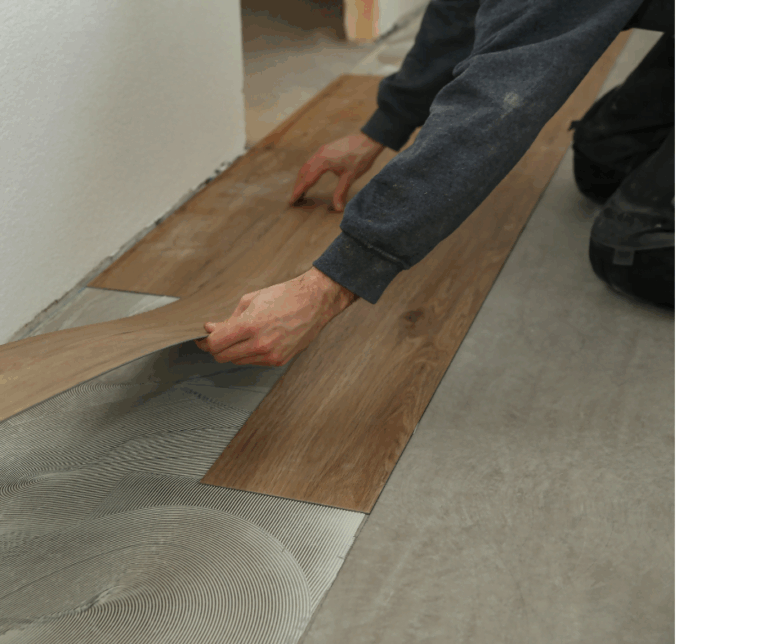
Person laying down laminate flooring planks

Maintenance & Cleaning — Daily Life with Carpet vs. Vinyl

Think about how much time you want to spend cleaning floors when choosing. Daily cleaning matters most to many people.

Cleaning Methods

Carpet needs regular vacuuming to get rid of dust and dirt. Busy homes might need vacuuming a few times a week, especially with pets or kids.

Vinyl floors are easier to care for. Sweeping or vacuuming and sometimes mopping usually keep them clean. Dirt stays on top, so cleaning is faster and easier.

Dealing with Stains and Spills

Spills on carpet need quick cleaning. Liquids can leave stains or smells. High-use areas can look worn over time.

Vinyl floors are stain-resistant. Spills clean up easily without marks, and vinyl doesn’t hold smells, making it great for homes with pets or kids.

Flooring That Stays New-Looking

Vinyl is best for keeping a fresh look. Its surface resists scratches and fading, and regular cleaning keeps it nice.

Carpet can look good too, but it needs more care, like deep cleaning every year or so.

For those wanting easy-care floors that fit a busy life, vinyl is a great choice.

Person cutting carpet with a utility knife while measuring with a tape measure

Cost Breakdown — Carpet vs. Vinyl Flooring

When you choose flooring, cost is a big factor. Don’t just look at the price. Think about how much it costs to install, take care of, and replace over time.

Average Material Costs per Square Foot

Carpet is usually cheaper at first, costing $2–$4 per square foot for regular types and $4–$7 per square foot for better quality. Carpet padding costs extra but helps with comfort and lasting longer. For more info on carpet types and costs, see our Carpet Flooring Cost Guide.

Luxury vinyl plank (LVP) costs $3–$6 per square foot, with high-end waterproof vinyl going up to $7 or more per square foot. Though it’s more expensive at the start, vinyl is strong and lasts longer. Check our Vinyl Flooring Cost Guide for more on LVP prices and features.

Installation Cost Differences

Carpet installation is generally cheaper and quicker, costing $1–$3 per square foot, depending on the room and old flooring removal.

Vinyl installation costs a bit more, around $2–$5 per square foot, due to careful floor prep and cutting needed. Good installation helps it last longer.

Long-Term Cost of Ownership

Carpet may need replacing every 7–10 years, especially in busy areas, and often needs deep cleaning to stay nice. Vinyl can last 15–25 years or more with little upkeep.

Over 15–20 years, vinyl is often more cost-effective, even with a higher start-up cost, especially for homes with kids and pets.

A professional estimate can help you see the real costs based on your needs and plans.

Carpet vs. Vinyl Flooring: Cost & Long-Term Value Comparison

Flooring TypeMaterial Cost (Per Sq. Ft.)Installation Cost (Per Sq. Ft.)Average LifespanMaintenance & Repair CostsLong-Term Value
Standard Carpet$2 – $4$1 – $27–10 years❌ Higher (deep cleaning, replacement)⚠️ Moderate
High-Quality Carpet$4 – $7$1.50 – $310–15 years⚠️ Moderate⚠️ Moderate–Good
Luxury Vinyl Plank (LVP)$3 – $6$2 – $415–25 years✅ Low✅ High
Rigid Core Waterproof Vinyl$4 – $7$2.50 – $520–30 years✅ Very Low✅ Very High
Commercial-Grade Vinyl$5 – $8$3 – $625–30+ years✅ Minimal✅ Excellent

Common Mistakes to Avoid — Pro Tips for Choosing Carpet vs. Vinyl

Homeowners sometimes make mistakes when picking between vinyl flooring and other options by only looking at the price. While cost is important, picking the wrong floor can be costly later if it doesn’t suit the room’s use or moisture levels. Also, ignoring moisture can cause issues, like odors or stains. It’s crucial to consider lifestyle and foot traffic since these affect how well the floor holds up, especially with children, pets, or guests.

Experts suggest a smart approach to floors. Often, it’s not about one type but using different ones where needed, like vinyl in busy, damp areas. Investing in better carpet padding or a thicker vinyl layer can boost comfort and durability. Consider how your home might change in the next 5–10 years—pets, kids, or selling plans—and pick floors that meet future needs.

Click here to schedule your free in-home consultation and let’s find the best floor for you.

Cozy bedroom featuring a stylish bed, elegant furniture, and wooden flooring.