Engineered vs. Solid Hardwood: Which One Is Right for You? (Quick Overview)
Choosing between engineered and solid hardwood floors depends on how you use your space. Both look like real wood but act differently, which affects the best choice for your home.
Simple Key Differences
Solid hardwood is one piece of wood, very strong, and can be refinished many times. Engineered hardwood has layers with real wood on top, offering better stability and moisture resistance. Solid hardwood is long-lasting, while engineered hardwood is more adaptable.
When Each Option Works Best
Solid hardwood is ideal for places like living rooms and bedrooms. Engineered hardwood is better for basements, over concrete, and in changing humidity. Engineered hardwood is often more practical for tough conditions.
Quick Guide for Homeowners
For a floor that lasts decades and can be refinished often, solid hardwood is a good choice. For more adaptable flooring in wet areas, engineered hardwood is usually smarter. It depends on where you want the flooring and the flexibility needed.
Quick Comparison: Engineered vs Solid Hardwood Flooring
| Feature | Engineered Hardwood | Solid Hardwood |
|---|---|---|
| Construction | Multi-layer with real wood top | 100% solid wood |
| Moisture Resistance | Excellent (handles spills better) | Low (can warp & expand) |
| Installation Options | Glue-down, floating, or nail-down | Mostly nail-down |
| Subfloor Compatibility | Works on concrete & plywood | Best for plywood |
| Refinishing Ability | Limited (depends on top layer) | Can refinish many times |
| Durability | High (stable in changing conditions) | Very high (long-lasting) |
| Best Locations | Basements, kitchens, condos | Living rooms, bedrooms |
| Cost (Material) | Moderate | Higher cost |
| Lifespan | 20–40 years | 50+ years with refinishing |
| Stability | Very stable | Expands & contracts |
| DIY-Friendly | Yes (floating options) | Less DIY-friendly |
What This Means for You
If you need flexible, moisture-resistant, and easy-to-install flooring, engineered hardwood is often better. If you want long-term value and refinishing ability, solid hardwood is best. Your choice depends on your home’s conditions and your plans.

What Is Solid Hardwood Flooring? (Pros, Cons & Best Use Cases
Solid hardwood flooring is a timeless choice for its quality and long-term value. Made from a single piece of natural wood, it’s authentic and durable with proper care. Its success depends on where and how it’s installed.
How Solid Hardwood Is Made
Solid hardwood planks come from one piece of wood, usually ¾ inch thick, creating strong, uniform boards. As real wood throughout, it can be sanded and refreshed multiple times, maintaining its new look and long life.
Key Advantages: Longevity & Refinishing Potential
Solid hardwood’s main advantage is its long lifespan. With good maintenance, it can last over 50 years, proving to be a smart investment. You can refinish it multiple times to erase marks and wear, making it look new again without replacement.
Limitations: Moisture Sensitivity & Expansion
Although durable, solid hardwood is sensitive to moisture and humidity changes. It expands and contracts with the seasons, potentially causing warping or gaps if not managed well. It’s not ideal for moist or fluctuating conditions.
Best Rooms and Environments for Solid Hardwood
Solid hardwood is ideal for stable, above-ground rooms like living rooms, dining areas, and bedrooms. These spaces usually have consistent temperature and humidity, helping the wood maintain its shape and quality. In the right place, solid hardwood provides lasting beauty and value.
What Is Engineered Hardwood Flooring? (Pros, Cons & Best Use Cases)
Engineered hardwood looks like real wood but is more stable and flexible. It has a natural wood surface and layers that make it better for places where regular wood might not work well.
How Engineered Hardwood Is Made
Engineered hardwood has many layers. The top is real wood, and underneath are layers of plywood or fiberboard in different directions. This design makes it stronger and less likely to move like solid wood.
Why It’s Better with Moisture
The way engineered hardwood is made helps it resist moisture and temperature changes. It doesn’t expand or shrink as much as solid wood, so it’s more stable in places with changing humidity, making it suitable for areas where solid wood usually isn’t.
Durability & Wear Layer
How long engineered hardwood lasts depends on its top layer thickness. A thicker top layer can handle more use and some light refinishing. Even though it can’t be refinished as often as solid wood, good quality engineered flooring is durable for busy homes.
Where to Use Engineered Hardwood
Engineered hardwood is great for areas with moisture or specific subfloor needs, like basements, kitchens, condos, and homes with concrete floors. Its flexibility in installation and resistance to environmental changes make it a practical choice for modern homes.

Engineered vs Solid Hardwood: Key Differences That Matter
Engineered and solid hardwood look alike but work differently. Knowing this helps you choose the right floor.
Structure & Construction
Solid hardwood is one piece of wood. Engineered hardwood has layers for stability.
Moisture Resistance & Stability
Engineered hardwood handles moisture and changes better. Solid hardwood can expand more.
Refinishing & Lifespan
Solid hardwood can be refinished often, lasting longer. Engineered hardwood’s refinishing depends on its wear layer.
Installation Flexibility & Cost
Engineered hardwood offers more installation options. Solid hardwood needs special conditions and may cost more.
Quick Comparison: Key Differences
| Feature | Engineered Hardwood | Solid Hardwood |
|---|---|---|
| Construction | Multi-layer core | Solid wood throughout |
| Moisture Resistance | High | Low |
| Stability | Very stable | Expands & contracts |
| Refinishing | Limited (depends on wear layer) | Multiple times |
| Lifespan | 20–40 years | 50+ years |
| Installation Options | Glue, float, nail | Nail-down mostly |
| Cost | Moderate | Higher upfront |
| Best For | Basements, kitchens, condos | Living areas, bedrooms |
What This Means for You
If your home has moisture or changing conditions, choose engineered hardwood. For long-term value, solid hardwood is best.

Durability & Moisture Performance: Which Hardwood Flooring Holds Up Better Over Time?
When picking between engineered and solid hardwood, think about two main things: how they handle daily use and changes in moisture and climate. These factors affect their look and function over time.
Resistance to Scratches, Dents & Daily Wear
Both types are strong, but they perform differently depending on the setting. Solid hardwood is long-lasting but might scratch or dent in busy homes. Engineered hardwood is often better for active homes because of its stable layers.
High-Traffic Homes, Kids & Pets
In busy places, engineered hardwood usually holds up better because it resists movement. Solid hardwood can work too but may show wear faster unless cared for well.
Moisture, Humidity & Seasonal Changes
This is where differences show. Engineered hardwood manages humidity, spills, and temperature changes with little expansion or shrinking. Solid hardwood reacts to moisture, which can be a problem if conditions change.
Best Choice by Environment
For basements, kitchens, coastal homes, or humid areas, engineered hardwood is often more dependable. Solid hardwood works well in areas with steady conditions, where moisture isn’t a problem, and you can refinish if needed.
What This Means for You
If your home’s conditions are stable and you want a floor that lasts, solid hardwood is a good option. But if you need flooring for everyday situations like kids, pets, spills, and climate changes, engineered hardwood often works better with fewer problems.
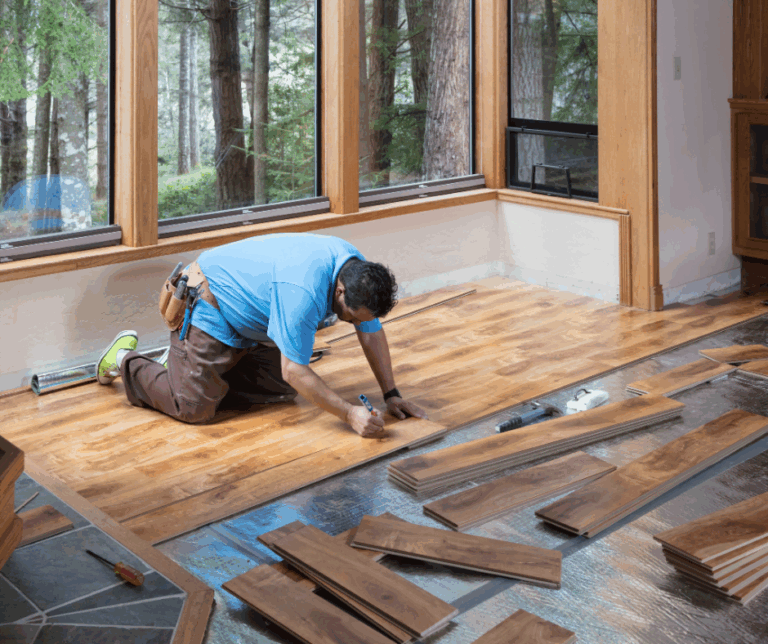
Installation Differences: What Homeowners Need to Know
The way floors are installed changes where they can be placed. Engineered hardwood is more adaptable, while solid hardwood needs special conditions and skills.
Quick Installation Summary
| Topic | Engineered Hardwood | Solid Hardwood |
|---|---|---|
| Installation Methods | Glue-down, floating, or nail-down | Mostly nail-down |
| Subfloor Needs | Fits plywood & concrete | Needs plywood subfloor |
| Installation Speed | Faster, more efficient | Slower, more work needed |
| DIY vs Professional | Easier for DIY | Better with professionals |
What This Means for You
For easy and fast installation, go with engineered hardwood. For a classic and durable choice with the right conditions, solid hardwood works well.
Cost Breakdown: Engineered vs Solid Hardwood
When deciding between engineered and solid hardwood, remember the cost includes more than just buying the material. Installation, care, and how long it lasts add to the total expense.
Material vs Installation Costs
Engineered hardwood generally costs less at first for both materials and installation. It’s simple to install, saving on labor. Solid hardwood, though more expensive, needs more work, increasing the total cost.
Budget vs Premium Options
Both types come in various price ranges. Engineered hardwood is less expensive to start, while solid hardwood is more in the mid-to-high range because of its thickness and durability. High-end options can cost similarly based on wood type and finish.
Cost vs Lifespan (Long-Term Value)
Solid hardwood can last many years and be refinished often, making it a smart long-term choice. Engineered hardwood is also strong, but its lifespan depends on the wear layer. It might not last as long but offers value where moisture or installation is an issue.
Quick Price Comparison (What You Can Expect)
| Cost Factor | Engineered Hardwood | Solid Hardwood |
|---|---|---|
| Material Cost (per sq ft) | $3 – $10 | $5 – $15+ |
| Installation Cost | $3 – $6 | $5 – $10 |
| Total Installed Cost | $6 – $16 | $10 – $25+ |
| Refinishing Potential | Limited (depends on wear layer) | Multiple times (long lifespan) |
| Long-Term Value | Great for most homes & budgets | Best for maximum lifespan |
What This Means for You
If you need a cheaper and flexible choice, engineered hardwood gives good value with lower starting costs. For a long-term investment and the ability to refinish, solid hardwood is worth the higher price.
Maintenance & Lifespan: What to Expect Long-Term
Deciding on engineered or solid hardwood depends on upkeep and how long they last. Both are easy to care for daily, but differ in long-term care and durability.
Cleaning & Everyday Upkeep
Both need regular sweeping or vacuuming and sometimes damp mopping with hardwood-safe products. Avoid too much water, and clean spills quickly.
Refinishing Potential (Key Difference)
Solid hardwood can be sanded and refinished many times, keeping it nice over years. Engineered hardwood can be refinished if it has a thick wear layer, but not as often.
Lifespan Expectations
Solid hardwood can last 30–100+ years with good care, making it a long-term option. Engineered hardwood usually lasts 20–40 years, depending on quality and use. Better products with thick wear layers last longer.
When Replacement Becomes Necessary
You may need to replace engineered hardwood when the wear layer is too thin to refinish or shows much wear. Solid hardwood can often be fixed instead of replaced, adding value over time.
Final Verdict: Engineered vs Solid Hardwood — Which Should You Choose?
Choosing between engineered and solid hardwood depends on your home needs. Both look like wood, but pick based on your home’s setting, budget, and plans.
Easy Guide Based on Your Lifestyle
If your home has changing humidity, a concrete base, or is busy with kids and pets, engineered hardwood is a smart choice. For a stable home where you want lasting floors, solid hardwood is a good pick.
When Engineered Hardwood Is Better
Engineered hardwood suits modern living, especially in basements, kitchens, condos, or homes with moisture changes. It offers flexibility and easy installation.
When Solid Hardwood Is Worth It
Solid hardwood is great if you want durability and long-term value. It can be refinished many times, making it good for living rooms and dining areas.
Main Points for a Smart Choice
There’s no perfect answer — the best choice fits your lifestyle. Engineered hardwood gives versatility, while solid hardwood offers a long life and classic look. Picking the right one makes sure your floors look good and work well for you.
Need Help Choosing Between Engineered and Solid Hardwood?
Choosing the right flooring can be tough with so many options in wood types, finishes, sizes, and styles. But knowing the basics helps you decide better.
We’re here to help. Our experts guide you to pick the best hardwood for your home, lifestyle, and budget, ensuring your floor looks good and lasts long.
We handle everything from selecting products to professional installation. Whether you prefer engineered wood or solid wood, we’ll make the choice easy.
Click here to schedule your free in-home consultation and start your journey to a lasting floor.